
Sheep Tracking Offers New Insights for Local Graziers
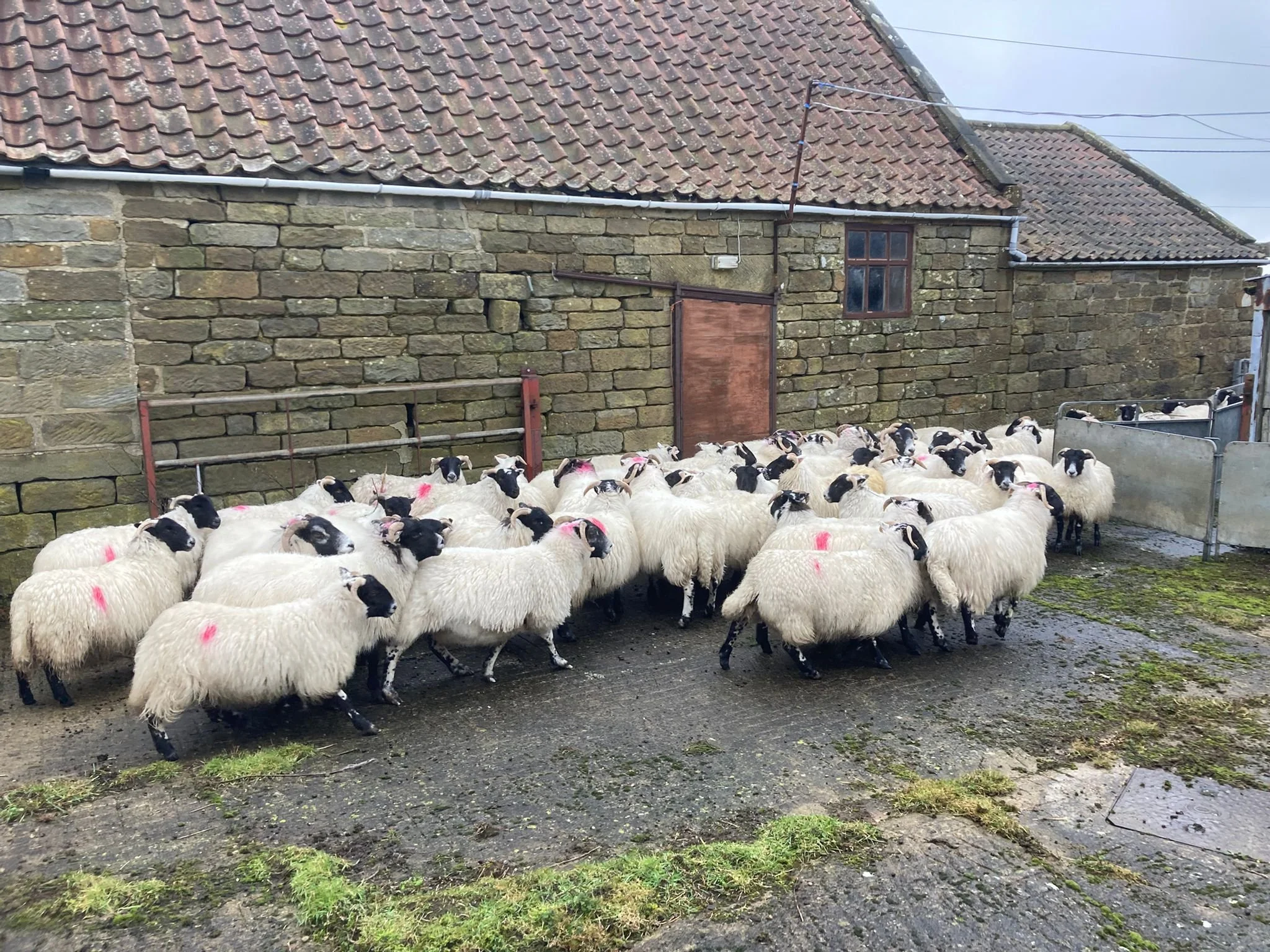
A year‑long sheep tracking trial on Glaisdale Moor, Wheeldale Moor and Goathland Moor has given the North York Moors Graziers Group fresh insight into how flocks use the moor, and highlighted what works (and what doesn’t) when it comes to GPS technology on hill sheep.
The project, carried out with support from the University of Essex and Perdix Digital, analysed GPS data collected throughout 2025 from Scottish Blackface sheep on Glaisdale Moor along with Swaledale sheep on Wheeldale and Goathland Moor. The aim was simple: understand grazing patterns, test the practicality of the sensors and see whether the technology could support day‑to‑day shepherding on the moor.
Clear patterns in how the flock uses the moor
The data confirmed many things graziers already suspected, but also revealed a few surprises:
The southern and south‑eastern side of Glaisdale Moor is the most popular grazing area, especially the more sheltered ground around Glaisdale Beck.
The boggy north‑west corner is almost completely avoided, matching long‑standing local knowledge.
Higher, more exposed ground is used mainly in summer, when conditions improve.
Sheep behave differently by time of day, spreading out more during daylight and sticking closer to tracks and sheltered areas at night.
Across the year, the flock showed strong hefting behaviour, returning to the same areas fortnight after fortnight unless weather or management shifted them.
A practical example: solving the road‑licking problem
One of the most useful findings came in April. The GPS data showed sheep regularly walking up to Shaw End Road. Farmer Ian Ford suspected they were licking salt from the tarmac, and the tracking confirmed it. Putting out extra saltlicks on the moor solved the issue quickly.
This is exactly the kind of practical, real‑world benefit the group hoped the technology might offer.
Mixed results from the sensor technology
The trial also tested Perdix’s new GPS sensors, which were glued directly onto the fleece. Results varied by breed:
Scottish Blackface sheep held the sensors reasonably well, though some still fell off later in the year.
Swaledale sheep proved much more difficult, with most sensors falling off within weeks. As a result, the dataset from this flock couldn’t be fully analysed.
Farmers involved in the trial were clear about what’s needed next: smaller, lighter sensors, ideally ear‑tag sized, and the option for “on‑demand” location checks rather than constant tracking.
How this helps graziers going forward
Even with the limitations, the trial showed how GPS data can support:
better understanding of grazing pressure across the moor
early spotting of unusual behaviour (like road‑licking)
identifying under‑used areas
tracking wandering individuals
providing evidence for future land management schemes
The project also demonstrated the value of graziers working together to test new tools and share learning across the North York Moors.
Next steps for the Graziers Group
The NYMGG will continue exploring practical, farmer‑led ways to use technology that genuinely supports hill farming, without adding unnecessary cost or complexity. The insights from this trial will help shape future discussions with tech providers and researchers, ensuring any next steps are grounded in real moorland experience.
If you’d like further details of the study and the outcomes, you can download a copy of the full report using the button below: